
Industrial facilities rely heavily on electric motors for pumps, conveyors, compressors, HVAC systems, and a wide range of manufacturing operations. As energy consumption continues to rise and electricity costs follow industrial sectors are looking for smarter ways to optimize motor performance and reduce unnecessary energy waste. One of the most effective solutions is the three phase VFD (Variable Frequency Drive).
A three phase VFD controls the speed, torque, and frequency of three-phase motors to ensure that they run according to real-time operational demands rather than constantly operating at full capacity. This relatively simple concept results in significant savings, smoother motor operation, lower maintenance, and improved overall plant efficiency. In this article, we’ll explore what a three phase VFD is, how it works, and why it is one of the smartest investments industrial companies can make.
What Is a Three Phase VFD?
A three phase VFD is an electronic controller that adjusts the frequency and voltage supplied to a three-phase AC motor. By precisely controlling motor speed, the VFD ensures that motors only use the amount of energy required for a specific task.
In traditional systems, motors run at fixed speeds, usually at full load, even when the actual process doesn’t demand maximum output. This results in wasted energy and increased wear. On the other hand, a VFD supplies only the necessary electrical frequency, which translates directly into energy savings and improved performance.

How a Three Phase VFD Works
To understand how a VFD benefits an industrial motor, it helps to know its basic operational steps:
- AC Input → DC Conversion
Incoming three-phase AC power is converted into DC using a rectifier.
- DC → Variable AC Output
The DC is then converted back to AC through an inverter, where the output frequency and voltage are adjusted.
- Motor Receives Optimized Power
The controlled AC output allows the motor to operate at the exact speed required.
The flexibility of this conversion process is the key to optimizing motor efficiency and extending motor lifetime. Instead of forcing the motor to run at nominal speed, the three phase VFD adjusts it to match real operational needs.
Benefits of Using a Three Phase VFD in Industrial Applications
1. Significant Energy Savings
Energy is the largest cost center in most industrial facilities. Motors often run continuously, consuming substantial power. Three phase VFDs 1 hp to 500 hp help optimize this by reducing motor speed when full capacity isn’t needed. The relationship between motor speed and power consumption is extremely important:
- A reduction of 20% in speed can lower energy consumption by nearly 50%.
This exponential savings effect is especially valuable in systems like pumps or fans, where process demands vary constantly. Instead of running at 100% and using throttling valves or dampers, the motor naturally adjusts speed—leading to long-term cost benefits.
2. Improved Motor Efficiency and Performance
A three phase VFD ensures motors run smoothly without sudden starts or stops. Traditional across-the-line motor starters cause large current spikes when powered on. These spikes create torque surges and stress electrical components.
VFDs eliminate these issues with soft starting features, gradually ramping the motor to the desired speed. This minimizes electrical stress, protects mechanical components, and improves energy stability throughout the facility.
3. Reduced Wear and Maintenance Costs
Mechanical shock is a major cause of motor damage. Without proper control, motor parts deteriorate faster, leading to frequent downtime and replacement costs.
A three phase VFD helps in two ways:
- Controlled acceleration and deceleration reduces belt, bearing, and gearbox wear.
- Lower operating RPM extends the life of the motor and the driven equipment.
Less vibration means less maintenance. For industries where uptime is critical, such as oil refining, pharmaceuticals, automotive production, or food processing this reliability translates into real productivity gains.
4. Better Process Control
Industrial environments often demand precise output. A VFD allows engineers and operators to fine-tune the speed of each motor-based system. Whether it’s a conveyor in a packaging line or a pump in a chemical manufacturing process, the VFD ensures:
- Consistent flow
- Accurate speed
- Stable output
- Lower rejection or scrap rates
By integrating sensors or automation systems, a VFD can automatically adjust its output based on temperature, pressure, load, or process demand. This kind of intelligent process control improves final product quality and enhances operational accuracy.
5. Protection Against Power Problems
Electrical irregularities are common in industrial zones voltage drops, power surges, or grid imbalance can interrupt production and damage motors. Most modern VFDs include protection features such as:
- Over-current protection
- Over-voltage protection
- Phase loss detection
- Motor thermal protection
- Short circuit protection
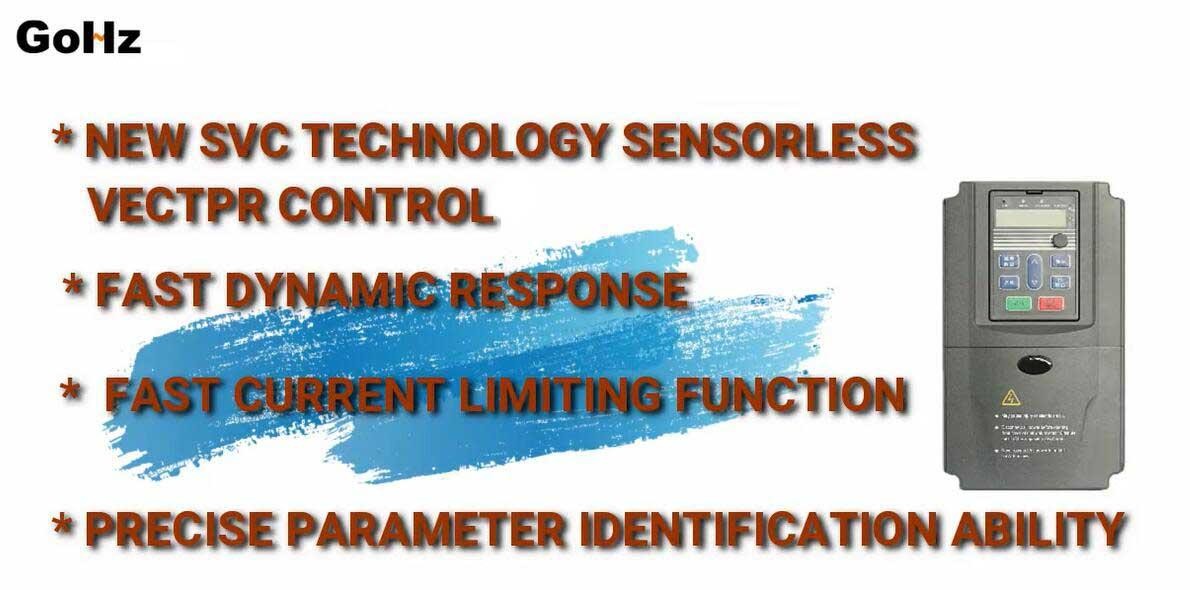
These safeguards prevent expensive failures and extend motor lifespan. Additionally, the VFD continuously monitors power usage, helping engineers identify anomalies before they become costly breakdowns.
Real-World Applications of Three Phase VFDs
Three phase VFDs are used in virtually every industrial sector. Below are some common use cases:
Pumps
Water supply, wastewater treatment, hydraulic systems, and chemical dosing rely on variable flow. Instead of using valves, a VFD controls pump speed directly reducing energy waste.
Fans and Blowers
HVAC units, cooling towers, ventilation systems, and dust filtration systems benefit greatly. Since fan loads follow the cube law of speed vs. energy, VFDs provide dramatic energy savings.
Conveyor Systems
Variable speed conveyors create more flexibility and consistency in production lines, especially in packaging and assembly applications.
Compressors
Air compressors are costly to run at full speed. A VFD increases or decreases motor speed based on demand, preventing idle consumption.
Industrial Mixers
In food, chemical, and pharmaceutical manufacturing, mixing speed is critical. Smooth speed transitions protect sensitive ingredients and equipment.
Economic Impact: How VFDs Cut Operational Costs
When estimating return on investment, many companies overlook the hidden costs of operating motors at full capacity. Energy expenses, part replacements, downtime, and equipment depreciation make up a large portion of total expenses.
A three phase VFD pays for itself by:
- Lowering monthly power bills
- Reducing unscheduled maintenance
- Improving equipment availability
- Extending machinery lifespan
For many facilities, the ROI timeframe is remarkably short—often 6 to 24 months depending on system usage. Once in place, savings continue year after year.
Future of Industrial Efficiency: VFD Integration with Automation
With the rise of industrial automation and Industry 4.0, three phase VFDs are evolving into intelligent devices rather than simple speed controllers. Modern VFDs can:
- Communicate with PLC and SCADA systems
- Log energy performance data
- Respond to sensor input
- Work with predictive maintenance systems
- Integrate into smart factories
This transition makes VFDs a critical component in digital manufacturing ecosystems. Rather than simply cutting costs, they enable real-time performance optimization and production flexibility.
Final Thoughts
Energy efficiency is not just a trend—it’s an operational necessity. Industrial motors are responsible for a major percentage of global electricity consumption, and inefficiency leads to substantial financial loss. By using a three phase VFD, industries can cut costs, extend equipment life, and improve output quality.
Whether used for pumps, conveyors, compressors, or HVAC systems, Variable Frequency Drives deliver measurable results. They provide smooth motor control, protect expensive machinery, and support advanced industrial automation.
In short, for any facility operating heavy motor-driven systems, integrating a VFD is one of the smartest, most effective investments toward long-term sustainability and operational excellence.